The Fight Beneath the Fight: What Couples Are Really Arguing About

The Fight Beneath the Fight: What Couples Are Really Arguing About

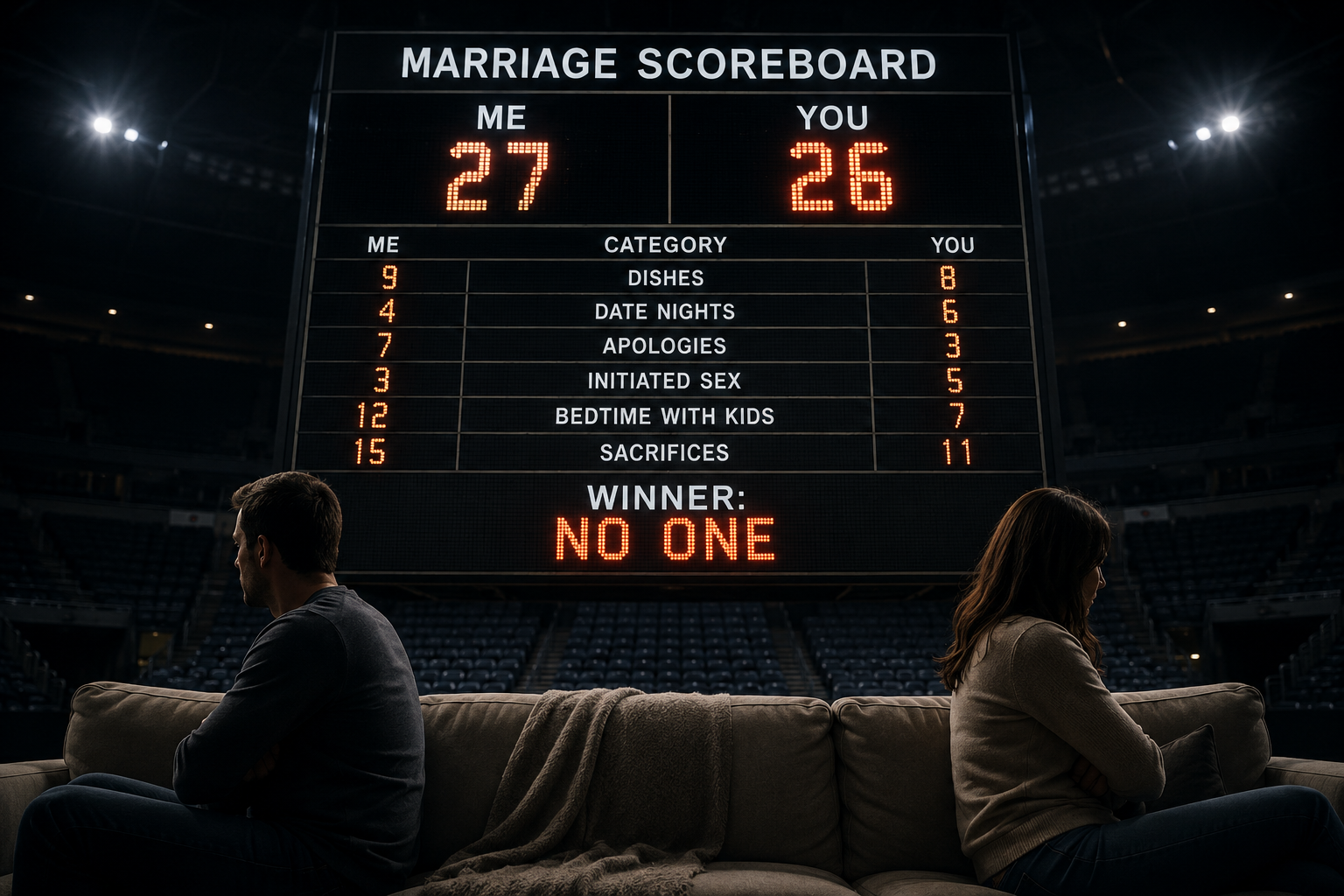
Couples get stuck arguing at the level of content, while the real issue lives at the level of meaning. The surface argument is almost always practical. It’s about something you can point to, measure, or prove. But the deeper layer is emotional and relational. It’s about what that moment represents. It’s about what it says about you, about me, and about us.

Read More

Did I Marry the Wrong Person? When Marriage Feels Like a Mistake

Did I Marry the Wrong Person?  When Marriage Feels Like a Mistake

A more productive question than “Did I marry the wrong person?” is “What version of us have we drifted into, and are we willing to rebuild?” That question restores agency. It acknowledges that both partners influence the emotional climate. It also demands humility. Have you clearly communicated your needs, or have you expected intuition? Have you addressed resentment early, or stored it for leverage? Have you adapted as your spouse changed, or have you silently insisted they remain who they were? Have you pursued your own growth, or outsourced your fulfillment entirely to the relationship?

Read More

Love Maps: The Most Underrated Superpower in Your Relationship

Love Maps: The Most Underrated Superpower in Your Relationship

Long-term couples often stop asking each other questions because they assume they already know the answers. That assumption quietly erodes connection. The most emotionally connected couples stay curious about each other even after decades together. They treat their partner as someone still worth discovering, not a book they finished reading years ago. Curiosity is oxygen for emotional intimacy.

Read More

The Power of Feeling Heard: Why Reflective Listening Changes Everything in Marriage

The Power of Feeling Heard: Why Reflective Listening Changes Everything in Marriage

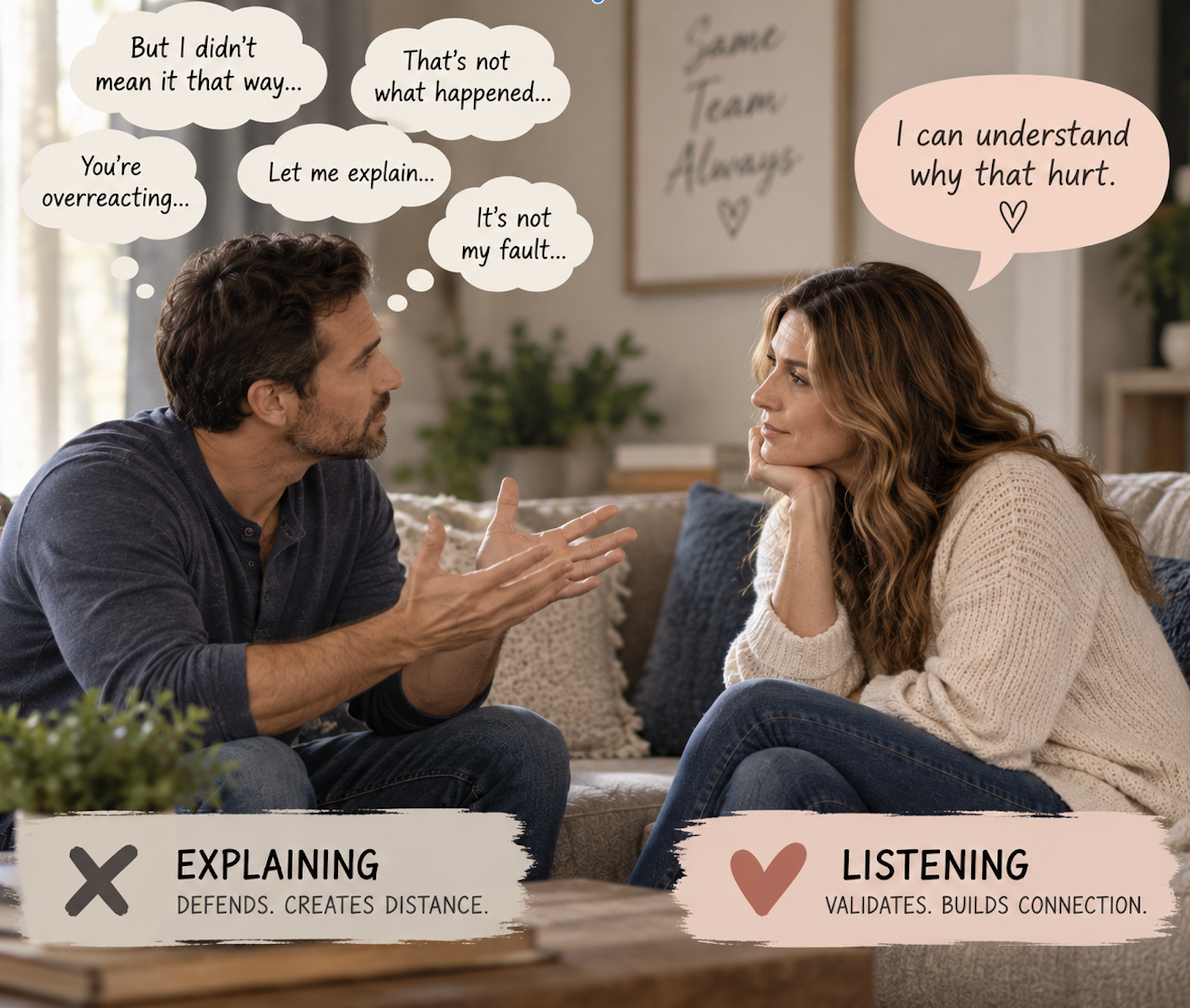
In the Gottman Method, this is a way of building Love Maps and turning toward your partner instead of away. When someone shares a feeling or concern, they are making a bid for connection. Reflecting what you heard is how you say, I am here with you.

In Emotionally Focused Therapy, reflective listening creates emotional safety. When someone hears their own experience accurately mirrored back, their nervous system calms. They feel less alone, less defensive, and more open. This is not about technique; this is about emotional survival inside a relationship.

Read More